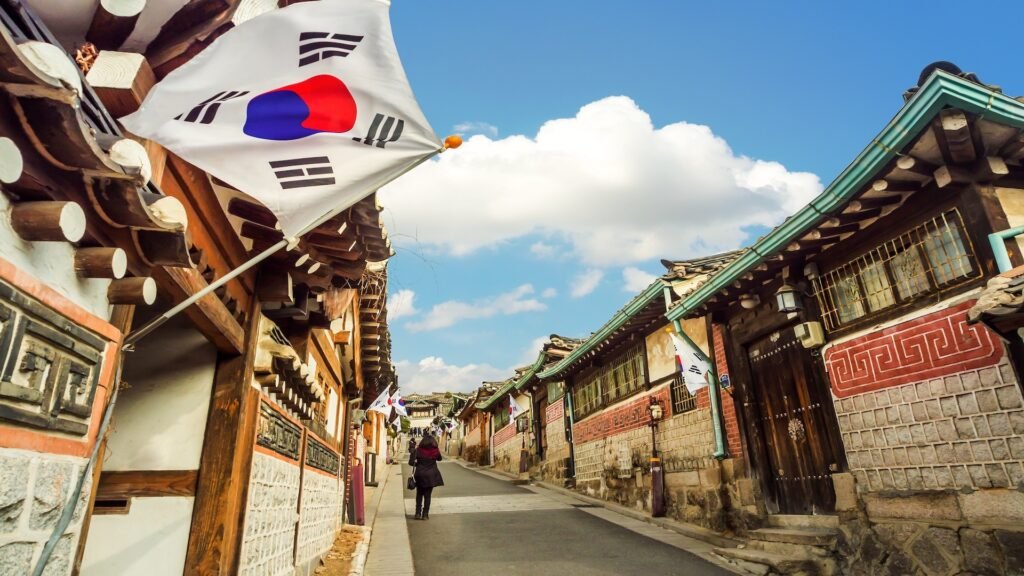
Traditional Korean style architecture at Bukchon Hanok Village in Seoul, South Korea.
Discovering the Charm of Traditional Korean Villages: A Step Back in Time
Korea is a country rich in history and culture, where ancient traditions still thrive amid modernity. One of the most captivating aspects of this heritage is its traditional villages. These villages, known as “Hanok Maeul” (한옥 마을), are perfect examples of Korea’s architectural elegance and societal values that date back centuries. This blog post delves into the significance, architecture, and the unique experiences you can find in these traditional Korean villages.
What Are Traditional Korean Villages?
Traditional Korean villages are settlements characterized by their Hanok, which are traditional Korean houses built using natural materials such as wood, clay, and stone. These villages are not just architectural gems; they represent a lifestyle, a way of living in harmony with nature and a reflection of Korean communal values.
 Key Features of Hanok Architecture
- Natural Materials: Hanoks are constructed using materials like wood, mud, and stone, allowing them to blend seamlessly with the environment.
- Ondol Heating System: This traditional underfloor heating system keeps the homes warm in winter while remaining cool in summer.
- Courtyard Design: Many Hanoks feature an open courtyard at the center, serving as a communal space where families can gather and enjoy nature.
- Roof Style: The unique curved roofs of Hanoks not only offer aesthetic beauty but also effectively drain rainwater.
Cultural Significance of Traditional Villages
Exploring traditional Korean villages provides insights into the Confucian values inherent in Korean culture. The layout of these villages reflects the social hierarchy and familial relationships, emphasizing community bonds. In these villages, you can often find:
- Village Shrines: Centers for worship and community gatherings.
- Markets and Workshops: Many villages host local artisans who practice traditional crafts and sell handmade goods, keeping these techniques alive for future generations.
- Festivals: Events such as Dojeokgi (a festival that celebrates the harvest) or Chuseok (Korea’s harvest festival) showcase the vibrant traditions and communal spirit of rural life.
Must-Visit Traditional Korean Villages
1. Bukchon Hanok Village
Located in the heart of Seoul, Bukchon Hanok Village offers a breathtaking glimpse into the architectural style of the Joseon Dynasty. With 900 hanoks that are more than 600 years old, the village is alive with cultural workshops, tea houses, and art galleries.
2. Jeonju Hanok Village
Famed for its 800 traditional Hanok, Jeonju is the birthplace of Bibimbap and a hotspot for food lovers. The village is known for its Hanok stay experience, allowing visitors to immerse themselves in traditional Korean living.
3. Hahoe Folk Village
A UNESCO World Heritage site, Hahoe Folk Village is located in the picturesque countryside near the Nakdong River. This village is famous for its preserved traditional culture and has made contributions to Korean mask dance dramas.
Experiencing Traditions Firsthand
Visiting a traditional Korean village offers more than just sightseeing; it provides opportunities to engage with the local culture. Here are a few activities to consider:
- Staying in a Hanok: Experience traditional Korean hospitality first-hand by booking a stay in a Hanok.
- Cultural Workshops: Participate in pottery, painting, or cooking classes to learn traditional crafts.
- Local Foods: Savor authentic Korean dishes made with local ingredients at village eateries.
Conclusion
Exploring traditional Korean villages allows you to disconnect from the hustle and bustle of modern life and reconnect with nature and history. These villages offer a unique perspective on Korean culture, where age-old traditions merge beautifully with daily living. Whether you’re an architecture enthusiast, history buff, or culinary explorer, immersing yourself in the charm of these villages will undoubtedly create memories to last a lifetime.
Call to Action
So, ready to embrace tradition? Plan a trip to one of Korea’s enchanting traditional villages today, and step into a world where history, culture, and nature come together beautifully.
Tags: #Korea #TraditionalVillage #Hanok #CulturalHeritage #TravelKorea #KoreanFood
Category: Travel & Culture
If you found this post helpful, please share it with fellow travel enthusiasts and let us know your thoughts or experiences in the comments!