Discovering Gyeongbokgung Palace: A Timeless Jewel of Korean Heritage
Gyeongbokgung Palace, located in the heart of Seoul, is not just an architectural marvel; it is a living testament to Korea’s rich history and cultural heritage. As the largest of the "Five Grand Palaces" built during the Joseon Dynasty, Gyeongbokgung has witnessed the ebb and flow of Korean history. In this blog post, we will explore the architectural beauty, historical significance, and visitor experiences that make Gyeongbokgung Palace a must-see destination in South Korea.
A Brief History of Gyeongbokgung Palace
Established in 1395, Gyeongbokgung Palace served as the main royal residence for the Joseon Dynasty. This grand palace complex was designed to symbolize the authority and power of the king, with its name translating to “The Palace of Great Happiness.” However, during the Japanese occupation in the early 20th century, much of the palace was destroyed, erasing many traces of its former glory.
After decades of neglect and destruction, restoration efforts began in the late 20th century, allowing visitors to experience the beauty of Gyeongbokgung once more. Today, the palace stands as a symbol of Korean resilience, culture, and the country’s ongoing journey toward sovereignty.
Architectural Masterpieces
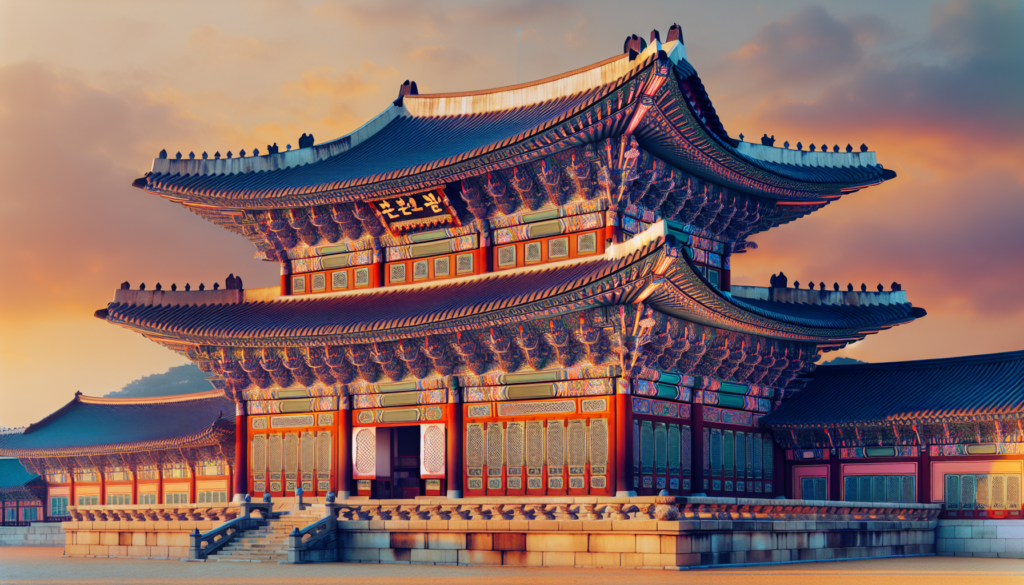
Visiting Gyeongbokgung Palace feels like stepping back in time. The intricate architecture showcases the traditional Korean design, characterized by ornate roof tiles, wooden structures, and vibrant colors. Here are some architectural highlights that you shouldn't miss:
1. Geunjeongjeon Hall
As the main throne hall of the palace, Geunjeongjeon is an architectural wonder. This hall served as the site for important state ceremonies, including the coronation of kings and the signing of treaties. The elaborate wooden structure, decorated with dragons and phoenixes, reflects the significance of the royal family.
2. Gyeonghoeru Pavilion
This stunning pavilion, located on an artificial island in the palace’s main pond, was used for royal banquets and receptions. Surrounded by lotus flowers, Gyeonghoeru boasts picturesque views and offers a serene escape from the bustling city.
3. National Palace Museum of Korea
Adjacent to Gyeongbokgung, this museum houses a collection of artifacts from the Joseon Dynasty, including royal costumes, traditional paintings, and historical manuscripts. It’s a perfect way to delve deeper into the rich history that Gyeongbokgung represents.
Visitor Experience
Gyeongbokgung Palace is open year-round, and its gates welcome millions of visitors each year. Here are some tips to enhance your visit:
Admission Fees and Hours
- Admission: Approximately 3,000 KRW (around $2.50) for adults.
- Opening Hours: Open daily from 9 AM to 6 PM, with extended hours in the summer.
Changing of the Guard Ceremony
One of the highlights of visiting Gyeongbokgung Palace is witnessing the Changing of the Guard ceremony, which takes place at the main gate, Gwanghwamun. This vibrant ceremony is held twice a day and features traditional uniforms, music, and a glimpse into the ceremonial practices of the past.
Explore the Scenic Surroundings
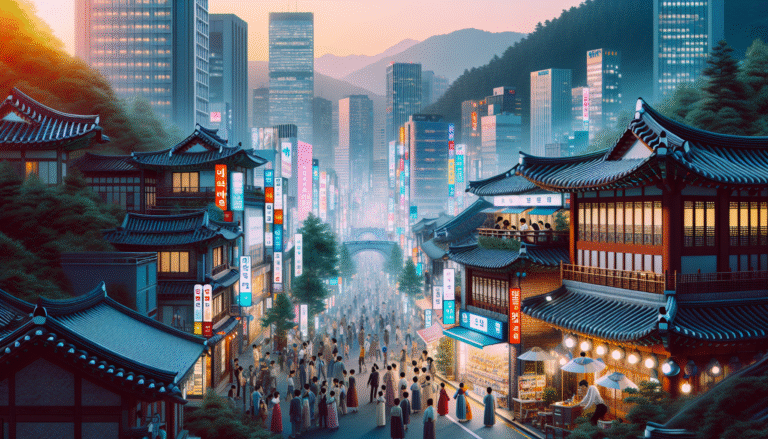
After touring the palace, take time to explore the nearby Bukchon Hanok Village, where traditional Korean houses (hanoks) have been preserved. Strolling through these charming alleyways provides a deeper understanding of Korean culture and architecture.
Conclusion: A Cultural Gem
Gyeongbokgung Palace is more than just a historical site; it is a window into Korea's past and a celebration of its cultural resilience. Whether you are a history enthusiast, an architecture lover, or simply seeking a beautiful spot to explore, Gyeongbokgung Palace has something for everyone.
Don’t miss the chance to visit this iconic site on your next trip to Seoul, and immerse yourself in the splendor of Korea’s royal heritage. Make sure to bring your camera to capture the enchanting beauty of the palace!
Tags
#GyeongbokgungPalace #SeoulTravel #KoreanHistory #CulturalHeritage #JosephDynasty #KoreaTravel #PalaceTour
Call to Action
Have you visited Gyeongbokgung Palace? Share your experiences in the comments below! If you found this post helpful, be sure to subscribe for more travel tips and insights on exploring Korea!