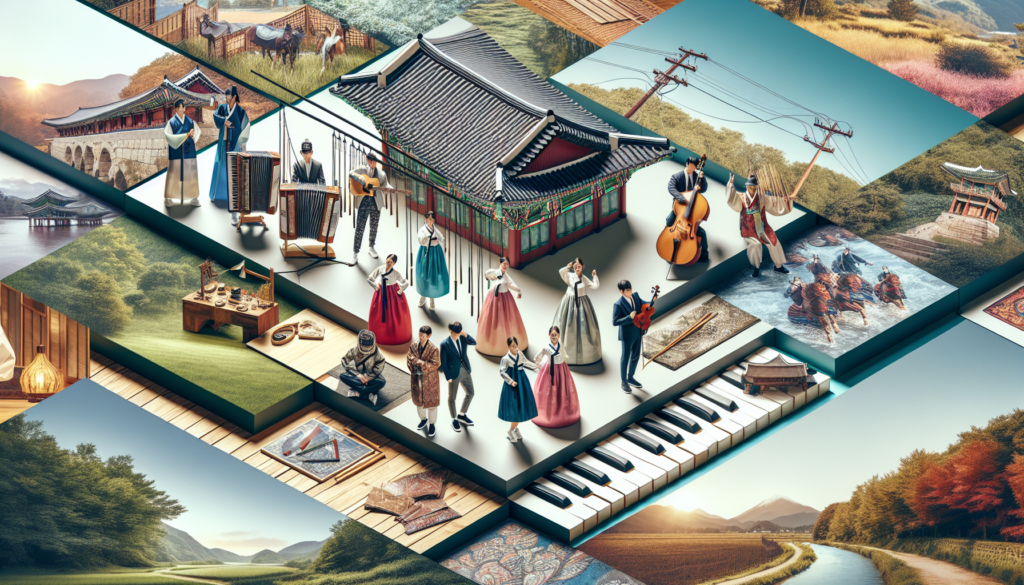
K-Pop vs. Korean Traditional Music: A Fusion of Modernity and Heritage
Korean music is a rich tapestry woven from centuries of tradition and a contemporary wave of innovation. Among the most discussed genres in recent years is K-Pop, which has skyrocketed to global fame. In contrast, traditional Korean music offers insights into the country's history and cultural values. This blog post will delve into the similarities and differences between K-Pop and traditional Korean music, examining their cultural significance, musical structures, and impact on global music trends.
Understanding K-Pop: The Modern Phenomenon
K-Pop, short for Korean pop music, emerged as a distinct genre in the early 1990s, gaining international prominence during the 2010s. Characterized by its catchy melodies, elaborate choreography, and engaging visuals, K-Pop has become a global sensation.
H3: Key Elements of K-Pop
- Diverse Genres: K-Pop artists often blend various musical styles, including pop, hip-hop, R&B, and electronic dance music (EDM).
- Visual Appeal: Accompanying music videos feature intricate choreography and high fashion, appealing to a global audience.
- Fan Culture: The K-Pop scene is marked by dedicated fans (known as "fandoms") who engage in activities like fan meetings and streaming parties.
- Idol System: Artists undergo extensive training for years, honing their skills before debuting. This system creates polished performers who excel in various entertainment fields.
The Essence of Traditional Korean Music
Traditional Korean music, or "gugak," has its roots in historical and cultural practices dating back thousands of years. It encompasses a variety of genres, including court music, folk music, and religious rituals.
H3: Key Characteristics of Traditional Korean Music
- Instruments: Traditional music features distinctive instruments such as the gayageum (string instrument), daegeum (bamboo flute), and janggu (hourglass-shaped drum).
- Melodic Structure: Traditional music often employs pentatonic scales and unique melodic lines that convey emotional depth.
- Cultural Significance: Traditional music reflects Korean history, philosophy, and social values, often performed during festivals and ceremonies.
- Styles of Performance: Styles such as * pansori* (narrative singing) and samulnori (percussion quartet) showcase the storytelling aspect of traditional music.
K-Pop and Traditional Korean Music: A Comparative Analysis
Though K-Pop and traditional Korean music originate from different contexts, they share a deep-rooted connection to Korean culture. Let's explore their similarities and differences.
H2: Similarities
- Cultural Heritage: Both genres embody Korean culture and identity, drawing from historical themes and narratives.
- Performative Nature: K-Pop and traditional music prioritize performance, whether through stage presence in K-Pop or dramatic storytelling in pansori.
- Emotional Expression: Both genres aim to elicit emotional responses from their audiences, whether through a high-energy K-Pop track or a poignant traditional ballad.
H2: Differences
- Musical Structure: K-Pop typically features a structured verse-chorus format with modern production techniques, while traditional music follows more improvisational and free-form styles.
- Lyrical Themes: K-Pop often addresses contemporary themes such as love, personal growth, and social issues. In contrast, traditional music frequently draws on historical stories, folklore, and spiritual elements.
- Global Reach: K-Pop has achieved international acclaim, with groups like BTS and BLACKPINK leading the charge. Traditional music, while respected, has a more localized audience and is often performed at cultural events rather than mainstream venues.
The Impact of K-Pop on Traditional Music
The success of K-Pop has led to a renewed interest in traditional Korean music. Many K-Pop artists and production teams incorporate traditional instruments or elements into their songs, bridging the gap between the two genres. For instance, the incorporation of the gayageum in BTS's songs showcases how traditional elements can harmoniously coexist with modern pop.
H3: Case Studies
- BTS and Traditional Korean Instruments: Their song "Black Swan" features the haegeum, creating a unique sonic blend that highlights the beauty of traditional music.
- The Rise of Fusion Genres: Artists like Tiger JK and MFBTY combine hip-hop with traditional music, appealing to a younger audience while honoring their roots.
Conclusion: A Harmonious Coexistence
K-Pop and Korean traditional music represent two sides of the same coin, each offering a unique perspective on Korean culture. While K-Pop continues to blaze trails on the global stage, traditional music remains a vital part of Korea's cultural narrative. As these genres evolve, the potential for collaboration and fusion will only continue to grow, creating a rich musical landscape that pays homage to the past while looking towards the future.
Call to Action
If you're curious to explore more about Korean music, whether it's diving into the energetic beats of K-Pop or the serene melodies of traditional songs, start by listening to both genres today. Share your thoughts in the comments below about which style resonates with you more!