Discovering Gyeongbokgung Palace: A Journey Through History
Keywords: Gyeongbokgung Palace, history of Gyeongbokgung, Korean architecture, Joseon Dynasty, cultural heritage
Introduction
Gyeongbokgung Palace (경복궁) is not just a stunning piece of architecture; it is a symbol of Korean heritage and resilience. Nestled in the heart of Seoul, South Korea, this historical site is a testament to the grandeur of the Joseon Dynasty and continues to attract millions of visitors annually. This article delves deep into the rich history of Gyeongbokgung Palace, exploring its significance, architectural beauty, and cultural relevance.
The Origins of Gyeongbokgung Palace
Foundation of the Palace
Gyeongbokgung Palace was built in 1395, just three years after the founding of the Joseon Dynasty. It served as the main royal palace for centuries, demonstrating the political and cultural priorities of the time. The name “Gyeongbokgung” translates to “palace of government abundance,” a reflection of the aspirations of the early Joseon rulers.
Architectural Marvel
The palace was designed by the famed architect Jeong Do-jeon, inspired by traditional Korean architectural principles. Its layout reflects the ideal balance with nature, utilizing the surrounding mountains and water sources. Notably, the Geunjeongjeon Hall (근정전), the main throne hall, is a magnificent example of the grandeur of Joseon architecture, featuring intricate woodwork and lavish decorations.
Significant Events in History
The Japanese Invasions
Gyeongbokgung Palace faced significant trials during its history, most notably during the Imjin War (Japanese invasions of Korea) in the late 16th century. The palace was largely destroyed, and it wasn’t until the late 19th century that restoration efforts began. This period highlighted the resilience of the Korean people and their determination to preserve their cultural identity.
The Japanese Colonial Period
From 1910 to 1945, Korea was under Japanese rule, and Gyeongbokgung Palace experienced severe neglect and destruction. The Japanese government altered the landscape to fit their colonial agenda. This era was incredibly challenging for the preservation of Korean culture, yet many activists wielded the palace’s history as a symbol of resistance and heritage.
Restoration and Preservation Efforts
After Korea gained independence in 1945, efforts to restore and preserve Gyeongbokgung Palace intensified. The government prioritized the restoration, and numerous projects have been undertaken since. As of today, substantial parts of the palace have been meticulously restored to reflect its original design and purpose.
Must-See Attractions
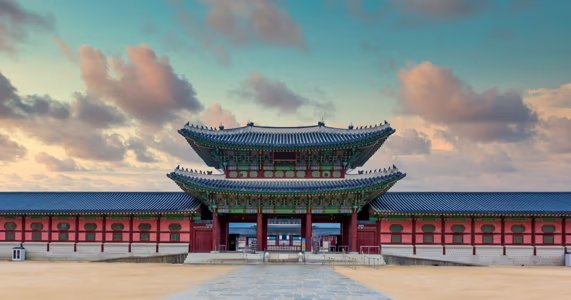
- Gwanghwamun Gate (광화문): The main gate of the palace, which has been restored to its original form, showcases stunning traditional architecture adorned with intricate carvings.
- National Palace Museum of Korea: Located within the grounds of Gyeongbokgung, this museum provides insights into the history of the palace and the significance of royal artifacts.
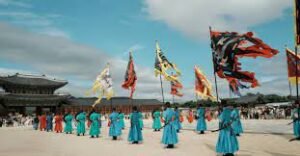
- Changing of the Guard Ceremony: A daily reenactment that pays tribute to the traditions of the Joseon Dynasty, this vibrant ceremony attracts tourists and locals alike.
Cultural Significance Today
Gyeongbokgung Palace stands as a symbol of Korean pride and cultural identity in modern-day South Korea. It is a gathering place for cultural festivals, ceremonies, and educational programs that promote awareness of South Korea’s rich history. The palace serves not only as a historical monument but also as a vital part of contemporary Korean life.
Conclusion
Gyeongbokgung Palace is more than a beautiful structure—it is a living narrative of Korea’s past, filled with tales of resilience, artistry, and cultural pride. For visitors seeking to understand the complexities and beauties of Korean history, a journey to Gyeongbokgung is essential.
Plan your visit today and immerse yourself in the awe-inspiring history of Gyeongbokgung Palace! Whether you’re a history buff, culture enthusiast, or simply a curious traveler, this palace promises an unforgettable experience.
Tags: #GyeongbokgungPalace #KoreaHistory #JoseonDynasty #CulturalHeritage #SeoulAttractions
Categories: Korean History, Cultural Sites, Travel Destinations
Call to Action: Have you visited Gyeongbokgung Palace? Share your experiences and thoughts in the comments below! Don’t forget to subscribe for more insights into Korea’s historical sites!