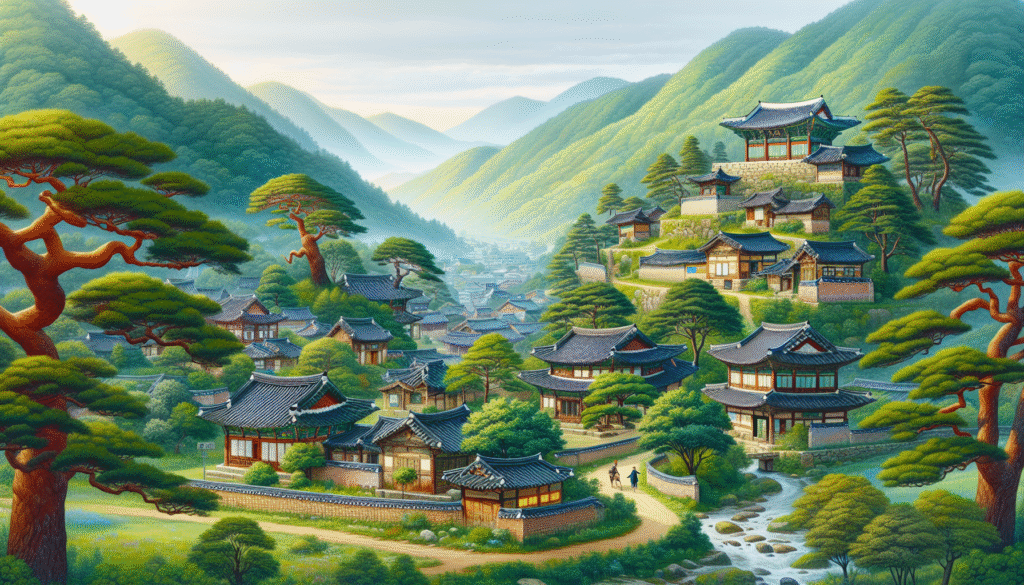
Discovering the UNESCO Sites in Korea: A Cultural Journey
Korea is a land rich in history and culture, and its unique heritage is showcased through a number of UNESCO World Heritage Sites. With a total of 13 designated locations as of 2023, these sites encapsulate the essence of the country's ancient traditions, remarkable architecture, and stunning natural landscapes. In this blog post, we'll explore these UNESCO sites in Korea and what makes each of them a must-visit for both locals and international travelers.
Why UNESCO Sites Matter
UNESCO (the United Nations Educational, Scientific and Cultural Organization) designates sites as cultural heritage for their outstanding value to humanity. Visiting these sites not only enriches your understanding of a region’s past but also supports conservation efforts to maintain their significance. In South Korea, these sites provide insight into both the tangible and intangible cultural aspects of Korean life.
List of UNESCO Sites in Korea
Here’s a closer look at some of the most captivating UNESCO sites in Korea:
1. Changdeokgung Palace Complex (1997)
Changdeokgung, known as the "Palace of Illustrious Virtue," is a prime example of Korean palace architecture. It's distinguished by its architectural harmony with the surrounding nature. The Secret Garden, a serene area designed for royal leisure, reflects the concepts of Confucianism that influence Korean culture to this day.
2. Haeinsa Temple Janggyeong Panjeon (1995)
Haeinsa Temple is home to the Tripitaka Koreana, a comprehensive Buddhist scripture engraved onto over 81,000 woodblocks. The Janggyeong Panjeon, where the blocks are stored, was built to protect these precious texts from humidity and insects, showcasing advanced architectural techniques of the time.
3. Seokguram Grotto and Bulguksa Temple (1995)
Located in Gyeongju, these two sites exemplify the pinnacle of Buddhist art and architecture during the Silla Dynasty. The Seokguram Grotto holds a monumental statue of Buddha, while Bulguksa Temple combines religious significance with exquisite craftsmanship, making it a UNESCO site worth visiting.
4. Gyeongju Historic Areas (2000)
Known as the capital of the Silla Kingdom, Gyeongju is filled with archaeological sites and ancient relics, including tombs, temples, and palaces. The city offers a window into the splendor of this once-mighty dynasty and is ideal for history enthusiasts.
5. Jeju Volcanic Island and Lava Tubes (2007)
Jeju Island's stunning volcanic landscape, including Hallasan Mountain and remarkable lava tubes, reflects the geological and ecological diversity of the region. It is declared a UNESCO site for both its natural properties and unique ecosystems.
6. The Historic City of Hahoe and Yangdong (2010)
These traditional villages provide insight into Confucian culture, showcasing well-preserved architecture and the lifestyle of the Joseon Dynasty. The Hahoe Mask Dance is particularly notable as an element of this heritage.
7. Sansa, Buddhist Mountain Monasteries (2010)
Comprising several Buddhist temples located on mountain tops, Sansa represents a unique approach to meditation and monastic life within the natural landscape. These sites embody the syncretism of Buddhism and Korean aesthetics.
The Importance of Preservation
Each of these sites is not just an attraction; they represent Korea's cultural identity and heritage. UNESCO's designation helps in raising awareness for the importance of preservation. According to recent statistics, tourism to these sites has increased by over 30% in the past few years, emphasizing the growing global interest in Korea's rich cultural heritage.
Conclusion: A Journey Worth Taking
Visiting Korea's UNESCO sites is an incredible way to connect with history, culture, and the natural world. Each site tells a story, allowing travelers to dive deep into the unique aspects of Korean heritage.
Are you planning your trip to Korea? Don’t miss out on exploring these untouched gems that speak volumes about an ancient civilization’s art, values, and way of life.
Related Tags:
#UNESCO #Korea #CulturalHeritage #TravelKorea #KoreanHistory #UNESCOSites
CTA:
Ready to explore these incredible UNESCO sites in Korea? Book your trip today and immerse yourself in the beauty of Korean culture!