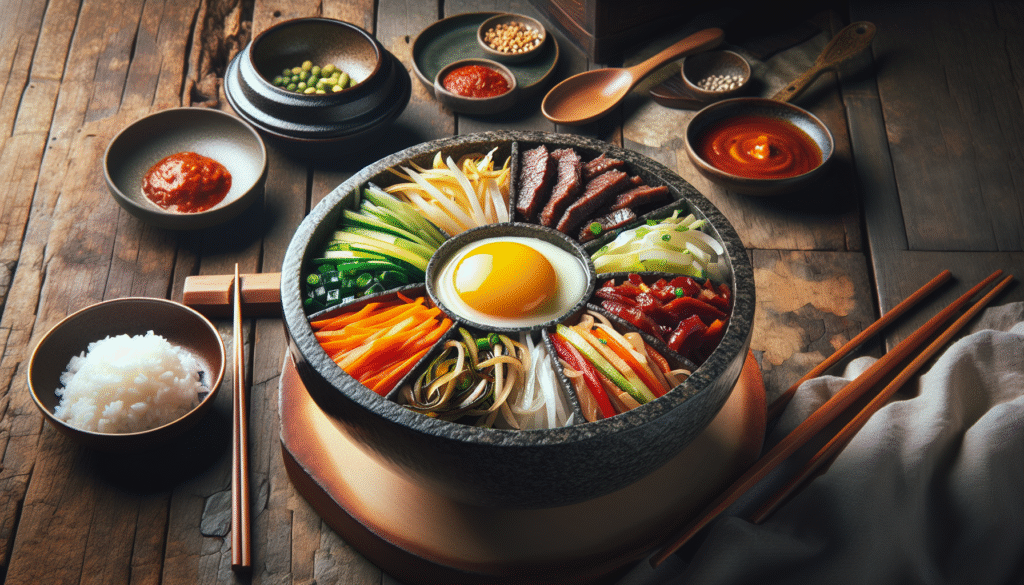
Unveiling the Perfect Bibimbap Recipe: A Korean Classic You Must Try!
If you're a fan of Korean cuisine or simply looking to explore new flavors, bibimbap should be at the top of your list. This vibrant and delicious dish showcases a beautiful medley of vegetables, protein, and spicy sauce over a bed of warm rice. Not only is bibimbap visually stunning, but it's also packed with nutrients and flavors. In this post, we will guide you through the steps to create the perfect bibimbap at home!
What is Bibimbap?
Bibimbap, which translates to "mixed rice," is a traditional Korean dish that combines rice with various seasoned vegetables, marinated meat (usually beef), and a fried egg. The dish is completed with gochujang (Korean chili paste), which adds depth and a spicy kick. Bibimbap is not just a meal; it’s an experience of mixing and blending different textures and flavors that make every bite delightful.
Why You Should Make Bibimbap at Home
- Healthy Ingredients: Bibimbap is rich in vitamins and minerals thanks to its plethora of vegetables.
- Customizable: You can easily swap ingredients to cater to dietary preferences, whether you're vegetarian, vegan, or a meat lover.
- Cooking Fun: Preparing bibimbap is a wonderful activity to do with friends and family, where everyone can customize their own bowl.
Ingredients You’ll Need
To serve 4 people, gather the following ingredients:
For the Rice
- 2 cups of short-grain rice
- 2 ½ cups of water
For the Toppings
- 1 cup of spinach, blanched
- 1 cup of bean sprouts, blanched
- 1 medium carrot, julienned
- 1 medium zucchini, julienned
- 1 cup of shiitake mushrooms, sliced
- 1 cup of beef, thinly sliced (or tofu for a vegetarian option)
- 4 eggs
- Sesame oil (for drizzling)
- Salt and pepper to taste
- Gochugaru (Korean red pepper flakes) for seasoning
For the Gochujang Sauce
- 2 tablespoons of gochujang
- 1 tablespoon of sesame oil
- 1 tablespoon of sugar
- 1 tablespoon of vinegar (rice or apple cider)
Step-by-Step Guide to Making Bibimbap
1. Cook the Rice
Rinse the short-grain rice under cold water until the water runs clear. Combine the rice and water in a rice cooker or pot, then cook according to the rice cooker instructions or bring to a boil and reduce to low heat for 18 minutes.
2. Prepare the Vegetables
While the rice is cooking, prepare the vegetables:
- Spinach and Bean Sprouts: Blanch in boiling water for 2 minutes, drain, and season with a dash of sesame oil and salt.
- Carrots and Zucchini: Sauté each separately in a pan with a splash of sesame oil until just tender.
- Mushrooms and Beef: Sauté the beef with a bit of soy sauce and garlic until cooked through. For a vegetarian option, substitute with marinated tofu.
3. Fry the Eggs
In a non-stick frying pan, fry the eggs sunny-side up (or to your preference). The runny yolk adds creaminess to the bibimbap.
4. Make the Gochujang Sauce
In a small bowl, combine all the sauce ingredients and mix well. Adjust the spiciness to taste by adding more gochujang if desired.
5. Assemble Your Bibimbap
In a large bowl, add a serving of cooked rice. Neatly arrange your toppings: spinach, bean sprouts, carrots, zucchini, mushrooms, and beef (or tofu). Top with a fried egg and drizzle with sesame oil. Serve with the gochujang sauce on the side for each person to mix in as they wish.
6. Mix and Enjoy
Before eating, mix all the ingredients together, allowing the colors and flavors to combine. The more you mix, the more delicious it becomes!
Tips for the Perfect Bibimbap
- Season all components: Proper seasoning of each individual component enhances the overall flavor.
- Presentation is key: Take a moment to beautifully arrange the toppings for some Instagram-worthy shots!
- Experiment: Feel free to add other ingredients like kimchi, pickled radishes, or avocado for additional flavors.
Conclusion
Bibimbap is much more than a delicious meal; it’s a canvas for your culinary creativity. With its vibrant colors and rich flavors, this dish is sure to wow your family and friends. Try making bibimbap today, and enjoy the mixing of flavors and textures that makes this dish a true Korean classic!
Related Tags
#Bibimbap #KoreanCuisine #Recipes #Foodie #HealthyEating #CulinaryAdventure
Categories
- Recipes
- International Cuisine
- Healthy Eating
Call to Action
Did you enjoy this bibimbap recipe? Share your creations with us in the comments below or tag us on social media to feature your delicious bibimbap bowls! Happy cooking!