Discover the Essence of Korean Temple Food: A Journey Through Flavor and Tradition
Korean temple food, known as "sachal-eumsik" (사찰음식), is a culinary tradition that not only nourishes the body but also feeds the soul. It is rooted in Buddhist principles, emphasizing a diet that is vegetarian, mindful, and harmonious with nature. In this blog post, we will explore the unique characteristics of Korean temple food, its significance, and some popular dishes that you must try!
What is Korean Temple Food?
Korean temple food is a distinctive style of cooking practiced in Buddhist temples throughout Korea. It originated from the Buddhist practice of mindfulness, focusing on a simple diet devoid of meat, fish, and strong flavors. The cuisine is largely based on seasonal vegetables, grains, and fermented foods, promoting both health and sustainability.
The Core Principles of Temple Food
- Simplicity: Korean temple dishes often utilize minimal ingredients, allowing the natural flavors of the vegetables, grains, and herbs to shine.
- Vegetarianism: Since Buddhism teaches non-violence and respect for all living beings, temple food strictly avoids any animal products.
- Mindfulness: Every meal is prepared with intention, considering the impact of food on the body and mind.
- Seasonal Ingredients: Embracing the cycles of nature, temple food relies heavily on what is in season, ensuring freshness and variety.
The Health Benefits of Korean Temple Food
Korean temple food is not just about spiritual nourishment; it brings numerous health benefits as well. Here are a few:
- Low in Calories: With a focus on vegetables and grains, temple food is generally low in calories, making it ideal for weight management.
- Rich in Nutrients: The abundance of vegetables and fermented foods ensures a high intake of vitamins, minerals, and probiotics, promoting gut health.
- Anti-Inflammatory: Many ingredients, such as garlic, ginger, and various herbs used in temple dishes, are known for their anti-inflammatory properties.
Popular Dishes of Korean Temple Food
1. Banchan (반찬)
Banchan refers to the assortment of side dishes that accompany a meal. Temple food banchan often includes:
- Pickled Radish: A refreshing and tangy side dish made from fermented radishes.
- Seasoned Vegetables: Various vegetables lightly sautéed in sesame oil, showcasing vibrant colors and flavors.
2. Bibimbap (비빔밥)
A colorful and nutritious mixed rice dish topped with an assortment of vegetables, Bibimbap can be prepared with the seasonal bounty of the temple garden. The dish is often accompanied by a unique temple-made gochujang (Korean chili paste) that is less spicy and more fragrant than conventional versions.
3. Doenjang Jjigae (된장찌개)
This hearty soybean paste stew features a variety of vegetables and tofu. The unique umami flavor of the doenjang (soybean paste) serves as a luxurious base for the dish, showcasing the depth of flavors that can emerge from simple ingredients.
4. Mung Bean Pancakes (빈대떡)
These savory pancakes made from ground mung beans are often mixed with vegetables and lightly fried. They are crispy on the outside and packed with nutrients, making them a popular snack in temple cuisine.
The Experience of Eating Korean Temple Food
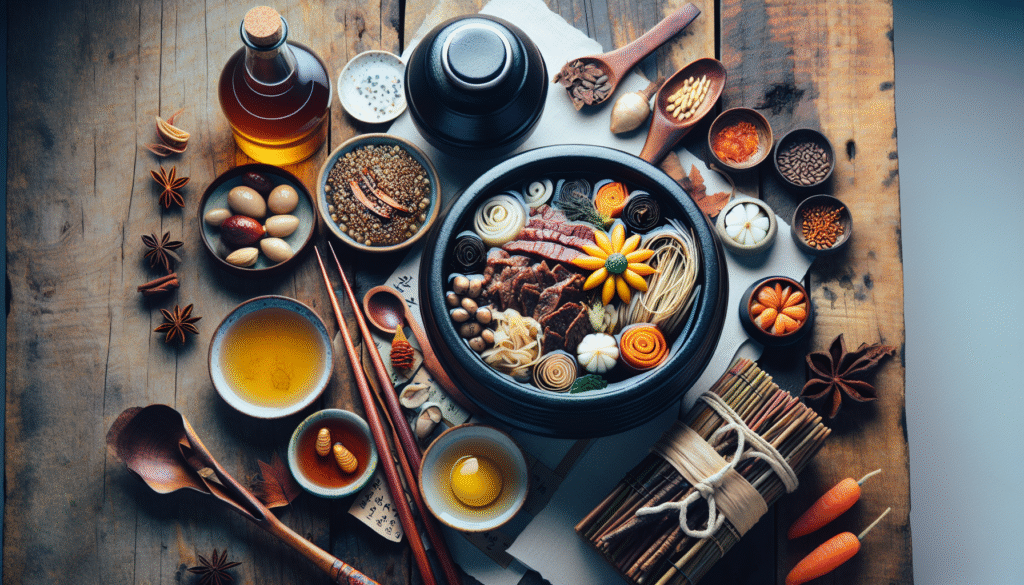
Dining on Korean temple food offers a unique experience. Meals are often served in a serene environment, encouraging mindfulness and reflection. The presentation is artistic, showcasing the colors and textures of the ingredients, inviting diners to appreciate the beauty of the dish.
Conclusion
Korean temple food provides a window into the country's rich culinary heritage and Buddhist traditions. By prioritizing health, sustainability, and harmony with nature, this cuisine offers not only delicious flavors but also spiritual nourishment. Whether you are a seasoned vegetarian or simply curious about new cuisines, exploring Korean temple food is an enriching experience that connects you to the essence of life.
Call to Action
Have you ever tried Korean temple food? Share your experiences in the comments below! If you’re inspired to explore this cuisine further, consider visiting a local Korean restaurant that specializes in temple food. Don’t forget to bookmark this post for future reference, and happy dining!
Tags: #KoreanTempleFood #SachalEumsik #HealthyEating #BuddhistCuisine #VegetarianRecipes
Category: Food & Cuisine, Health and Wellness