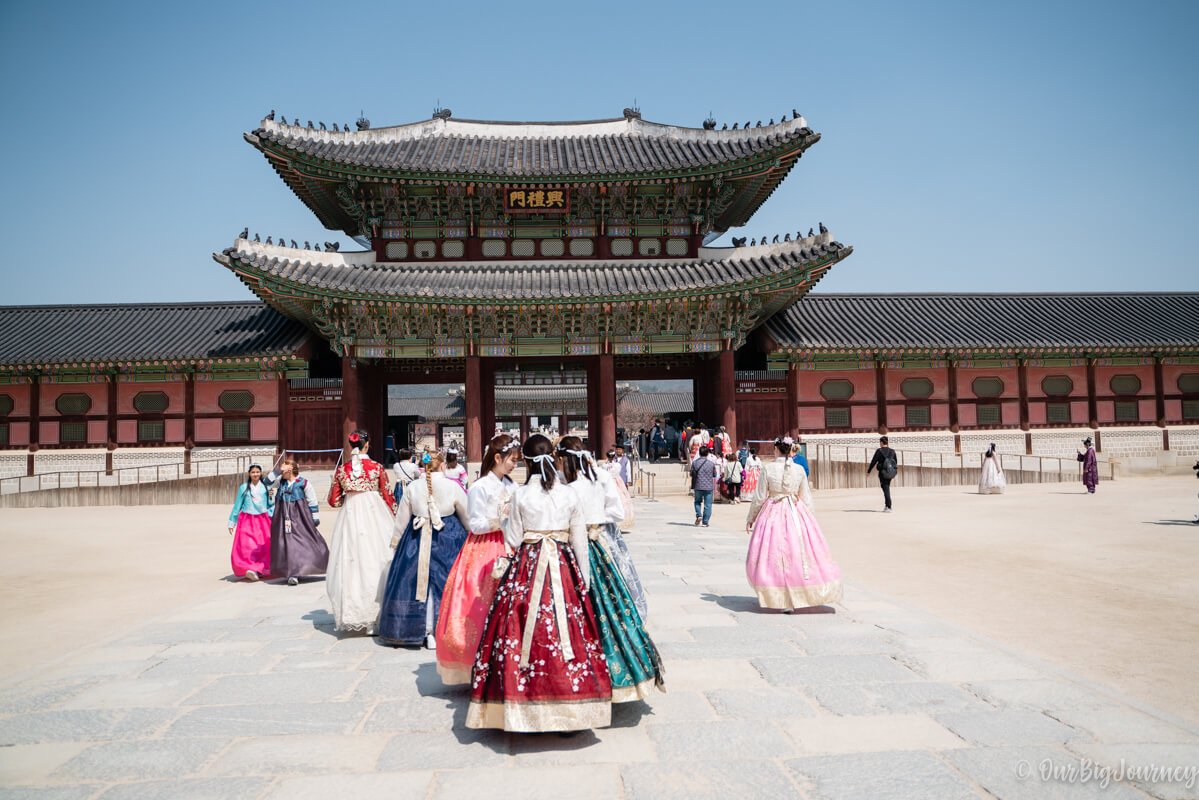
Discover the Splendor of Korean Traditional Palaces in Seoul: A Journey Through History
When we think of Seoul, the bustling streets, modern skyscrapers, and technological advancements come to mind. However, nestled within this vibrant metropolis lies a treasure trove of history—Korean traditional palaces that tell the stories of dynasties past. In this blog post, we will delve into the architectural beauty, cultural significance, and must-visit sites of these palaces, making it an essential guide for any traveler interested in Korea’s rich heritage.
The Historic Significance of Seoul’s Palaces
Seoul is home to five grand palaces that were built during the Joseon Dynasty (1392–1897), each reflecting the flexibility and advancements of Korean architecture. These palaces served as the residence for kings, their families, and loyal subjects while embodying the political and cultural heart of the nation.
The Five Major Palaces
- Gyeongbokgung Palace (경복궁)
- Key Features: Gyeongbokgung, the most iconic and largest palace, was constructed in 1395. The stunning Gyeonghoeru Pavilion, set on a lotus pond, and the Historical Museum within the grounds capture the essence of Korean royal culture. Notably, the changing of the guard ceremony attracts many visitors daily.
- Pro Tip: Visit during spring or autumn to witness cherry blossoms or fall foliage surrounding the palace.
- Changdeokgung Palace (창덕궁)
- UNESCO World Heritage Site: This palace is renowned for its beautiful Secret Garden, which demonstrates the harmony between nature and architecture, a concept deeply rooted in Korean culture.
- Must-See: The garden’s serene pathways and tranquil pavilions make it a perfect exploration site for those looking to escape the city’s hustle and bustle.
- Changgyeonggung Palace (창경궁)
- Historical Background: Initially built as a residence for queens, Changgyeonggung has undergone significant restoration and improvements, showcasing the elegant architecture of the late 19th century.
- Highlight: The beautiful botanical garden within its vicinity is a peaceful escape and provides an educational experience about Korean flora.
- Deoksugung Palace (덕수궁)
- Unique Aspects: This palace uniquely integrates Western-style buildings, highlighting Korea’s transition during modernization. The stone-walled streets surrounding the palace add to its unique charm.
- Visitor Insight: Don’t miss the Changing of the Guard Ceremony at the main gate every hour—it’s a fascinating blend of tradition and spectacle.
- Gyeonghuigung Palace (경희궁)
- A Hidden Gem: Often overlooked, Gyeonghuigung was a secondary palace used during times of political upheaval. It offers a quieter experience, perfect for thoughtful exploration.
- Cultural Events: The grounds frequently host cultural events and exhibitions showcasing traditional Korean culture.
Architectural Marvels and Cultural Heritage
The architecture of these palaces is not just stunning; it also reflects the philosophies, values, and life of the era. Traditional Korean palaces emphasize balance, harmony, and an integration with nature, which is evident in their layouts and designs.
Noteworthy Architectural Elements
- Hanok Structure: The wooden structures have a unique curved roof that symbolizes Korea’s integration of land and sky.
- Symbolic Colors: The vibrant colors used in the paintings and decorative elements are not only beautiful but are also rich in symbolism, representing different virtues.
- Gardens and Courtyards: Carefully designed to reflect natural landscapes, they serve as both aesthetic pleasure and spiritual retreats.
Visiting Tips for Travelers
- Culture-Friendly Attire: When visiting, consider wearing traditional Hanbok. Many rental shops are available around the palaces, and wearing it allows you to enter for free.
- Explore Slowly: Each palace offers guided tours, but wandering through leisurely enables you to appreciate the nuances of architectural details and serene gardens.
- Plan Ahead: Check the palace schedules for special events or ceremonies to enrich your visit.
Conclusion: The Heart of Korean Heritage Awaits
Seoul’s traditional palaces are not only architectural marvels but also repositories of Korean history and culture. Exploring these sites is akin to stepping back in time, where majesty and tranquility coexist. Whether you are a history buff, an architecture enthusiast, or simply a curious traveler, the palaces of Seoul offer a captivating glimpse into the past.
Tags: #Seoul #KoreanPalaces #Gyeongbokgung #Changdeokgung #TravelKorea #CulturalHeritage #TraditionalKorea
Category: Travel, Culture, History
Call to Action: Ready to embark on a historical journey? Share your experiences exploring Korea’s beautiful palaces and don’t forget to plan your next visit!