Explore the Rich Tradition of Korean National Holidays: A Complete Guide to Korean Public Holidays
As global cultures intersect, understanding the significance of national holidays can deepen our appreciation for diversity. In South Korea, national holidays and traditional celebrations are rich with history, custom, and deep-rooted meaning. Let’s delve into the various Korean national holidays and traditional festivals, offering fascinating insights into family, community, and cultural heritage that characterize this dynamic nation.
Overview of Korean National Holidays
South Korea has several public holidays that reflect its unique blend of historical experiences and customs. Here, we will discuss the main Korean public holidays, offering a clear understanding of each celebration’s significance.
1. New Year's Day (설날, Seollal)
Date: First day of the lunar calendar
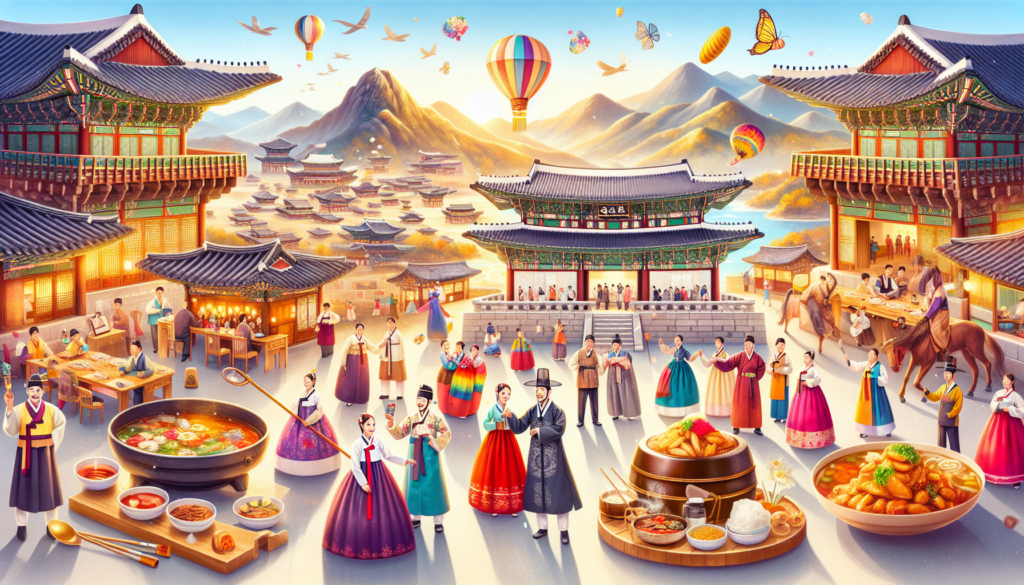
Significance: One of the most important holidays in Korea, Seollal is celebrated by families who come together to honor their ancestors. During this time, traditional foods such as rice cake soup (떡국, tteokguk) are prepared, and people dress in hanbok (traditional clothing). Families perform ancestral rites (차례, charye) to pay respects to their forefathers.
2. Chuseok (추석)
Date: 15th day of the 8th month of the lunar calendar
Significance: Often referred to as the Korean harvest festival, Chuseok is a time for family reunions and celebrations of good harvests. People prepare traditional foods like songpyeon (rice cakes with fillings) and visit ancestral graves for ritual offerings. Chuseok symbolizes gratitude for the blessings of the earth.
3. Independence Day (광복절, Gwangbokjeol)
Date: August 15
Significance: Celebrated in commemoration of Korea’s liberation from Japanese rule in 1945, Gwangbokjeol is a day of national pride. Various events and ceremonies take place across the nation, including patriotic performances and the singing of the national anthem, "Aegukga".
4. Foundation Day (개천절, Gaecheonjeol)
Date: October 3
Significance: This holiday celebrates the legendary founding of Korea by Dangun, the nation’s mythical founder, in 2333 B.C. Traditional ceremonies and parades are held, fostering a sense of national identity and unity in the face of historical challenges.
5. Christmas Day (크리스마스, Keuriseumaseu)
Date: December 25
Significance: While not a traditional holiday, Christmas has become a public holiday in South Korea, celebrated with both religious significance and festive cheer. Many Christians attend church services, while others embrace the joy with family gatherings and festivities.
6. National Foundation Day (건국기념일, Geon-guk Ginyeomil)
Date: October 3
Significance: This day marks the establishment of the Korean nation and celebrates the creation of the first Korean state, Gojoseon. The day is marked by various cultural events and historical reflections on the nation's formation.
Lesser-Known Holidays and Festivals
In addition to the major holidays, Korea boasts various cultural festivals that showcase its rich heritage.
1. Buddha's Birthday (부처님 오신 날, Bucheonim Osin Nal)
Date: 8th day of the 4th month of the lunar calendar
Significance: This holiday honors the birth of Buddha with temple celebrations, lantern displays, and various Buddhist ceremonies, promoting a message of peace and compassion.
2. Jeongwol Daeboreum (정월 대보름)
Date: 15th day of the lunar calendar
Significance: Celebrating the first full moon of the lunar year, this festival involves numerous customs, including the eating of wheat-based foods, burning of special rice cakes, and various folk games.
Conclusion
Understanding Korean national holidays and festivals transcends mere recognition; it promotes a connection to the cultural fabric that defines the nation. Each holiday harmonizes folk traditions with contemporary practices, reflecting the evolving tapestry of Korean society. Whether through family gatherings, ancestral rites, or festive celebrations, these days provide a chance to celebrate both heritage and togetherness.
Tags
- Korean Holidays
- National Holidays
- Cultural Festivals
- Korean Traditions
Categories
- Culture
- Travel
- Lifestyle
Call to Action
Are you interested in experiencing Korean culture firsthand? Plan a visit around one of these vibrant holidays to engage with traditions like never before! Share your thoughts or experiences in the comments below!