Exploring the Rich Tapestry of Korean Traditional Culture: A Journey Through Time
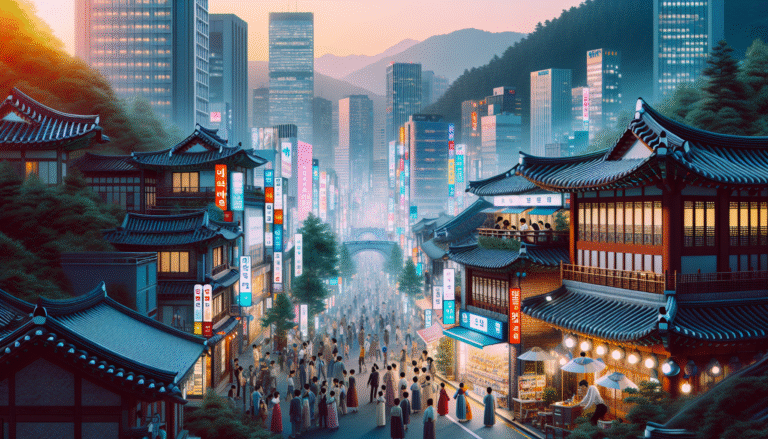
Korean traditional culture is a vibrant amalgamation of centuries of history, artistry, and philosophy, providing a captivating glimpse into the life and spirit of the Korean people. From delectable culinary traditions to intricate art forms, each aspect of this cultural heritage serves as a testament to Korea’s rich journey through time. In this blog post, we will delve into the various dimensions of Korean traditional culture, exploring its significance and relevance in today’s world.
The Foundations of Korean Traditional Culture
1. The Philosophy Behind Korean Culture: Confucianism and Shamanism
Two major philosophies have profoundly influenced Korean society and its cultural practices – Confucianism and Shamanism. Confucianism emphasizes ethics, family, and social harmony, while Shamanism reflects the indigenous beliefs of Korea, drawing connections between humanity and the spiritual world. These philosophies are deeply embedded in various aspects of life, including rituals, festivals, and social structures.
2. Traditional Festivals: Celebrating Community and Heritage
Korean traditional festivals showcase the beauty of community spirit and heritage. Events such as Seollal (Lunar New Year) and Chuseok (Harvest Festival) involve rituals such as family gatherings, ancestral rites known as jesa, and the preparation of traditional delicacies like tteok (rice cakes). According to statistics, over 40% of Koreans actively participate in these annual celebrations, underscoring their importance in preserving cultural identity.
The Arts: Paintings, Music, and Dance
3. Traditional Korean Music: A Symphonic Journey
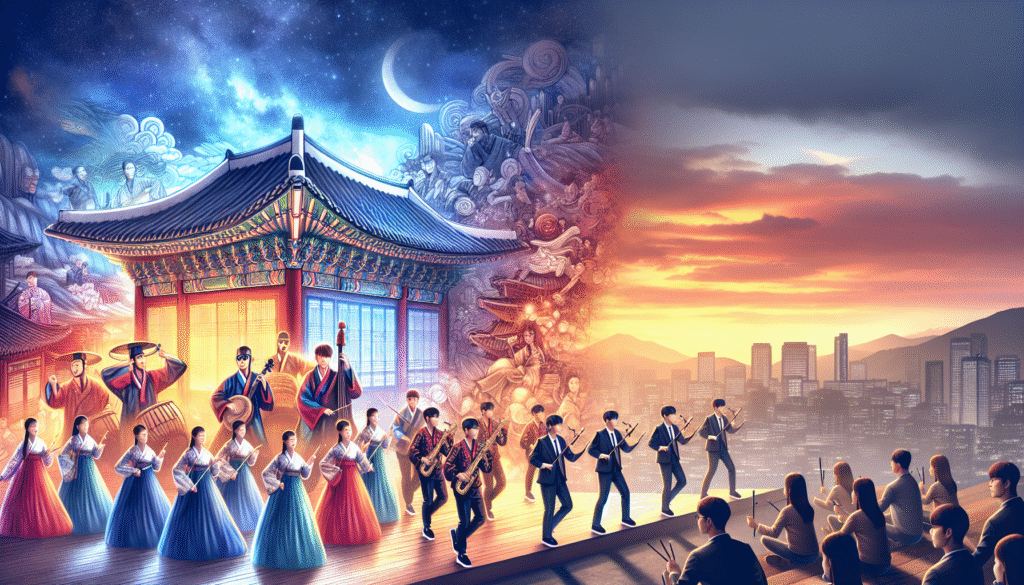
Korean traditional music, or gugak, encompasses a variety of genres and instruments, including the gayageum (12-string zither) and piri (reed instrument). Each piece tells a story, often reflecting themes of nature and daily life. Recent cultural revival trends have seen a growing interest in gugak, with performances attracting thousands of audiences both locally and internationally.
4. Dance: The Movement of Heritage
Traditional Korean dance forms, such as fan dance (buchaechum) and mask dance (talchum), are not only artistic expressions but also important conduits for narrative and cultural history. Each dance, full of vibrant costumes and fluid motions, aims to convey stories and emotions, captivating spectators both young and old alike.
Culinary Traditions: The Heart of Korean Culture
5. Korean Cuisine: A Blend of Flavors and Nutrition
Korean cuisine is known for its bold flavors and health benefits, combining elements like fermentation, spices, and seasonal ingredients. Dishes such as kimchi, bulgogi, and bibimbap are not only staples of Korean households but have also gained international acclaim. According to a recent survey, nearly 70% of foreigners express a favorable impression of Korean cuisine, illustrating its global appeal.
6. The Art of Fermentation: Kimchi
The process of making kimchi is an art form in itself that embodies the Korean way of life, emphasizing community and sharing. Each region in Korea has its unique version of kimchi, reflecting local ingredients and tastes. Kimjang, the collective preparation and sharing of kimchi, has been recognized as an intangible cultural heritage by UNESCO.
The Evolution of Korean Traditional Culture
7. Preservation in Modern Times
In recent years, there has been a conscious effort to preserve and promote Korean traditional culture amidst rapid modernization. Government initiatives, along with community-driven projects, aim to revive traditional crafts, music, and practices. Cultural centers, museums, and educational workshops are burgeoning across Korea, fostering a deeper understanding and appreciation of traditional values.
8. Global Influence: Korean Culture in the World
With the rise of K-pop, Korean dramas (K-dramas), and global culinary trends, Korean traditional culture is experiencing a renaissance. This cultural wave, often referred to as Hallyu, has broadened the lens through which the world views Korea, adding layers to its identity that intertwine the past with the present.
Conclusion: Embracing the Legacy of Korean Tradition
Korean traditional culture embodies a wealth of history, philosophy, and artistry that transcends time. As we embrace this vibrant heritage, it is crucial to ensure its preservation for future generations. The fascinating journey through Korea’s traditional landscape reveals a culture rich in lessons and narratives that continue to inspire, not only the Korean people but those around the globe.
Tags: #KoreanCulture #TraditionalKorea #CulturalHeritage #KoreanCuisine #KoreanArts
Category: Culture, Lifestyle, Travel
Call to Action: If you're intrigued by Korean traditional culture, consider exploring exhibitions at local cultural centers or trying your hand at making kimchi! Join us in celebrating and preserving this incredible heritage.