Discover the Beauty of Korean Calligraphy Art: A Journey Through Tradition and Expression
Korean calligraphy, also known as "Seoye" (서예), is an exquisite art form that combines aesthetics, spirituality, and culture. This beautiful practice has been an essential part of Korean heritage for centuries, reflecting the philosophical and artistic values of the Korean people. In this blog post, we will explore the rich history, techniques, and the profound significance of Korean calligraphy, along with tips to appreciate this timeless art form.
The Rich History of Korean Calligraphy
A Cultural Legacy
Korean calligraphy has its roots in the introduction of Chinese writing to Korea around the 5th century. Initially, the Korean people adopted Chinese characters (Hanja, 한자), using them to express their own thoughts and emotions. With the development of the native Korean script Hangul (한글) in the 15th century, the art of calligraphy evolved into a distinct and pivotal aspect of Korean culture.
Historical Influences
Throughout history, Korean calligraphy has been influenced by various dynasties, such as the Silla (신라), Goryeo (고려), and Joseon (조선) kingdoms. Scholars and calligraphers like Kim Jeong-hee (김정희) and Seo Jae-pil (서재필) made significant contributions to the art, creating unique styles that blended traditional techniques with personal expressions.
Techniques and Styles in Korean Calligraphy
Tools of the Trade
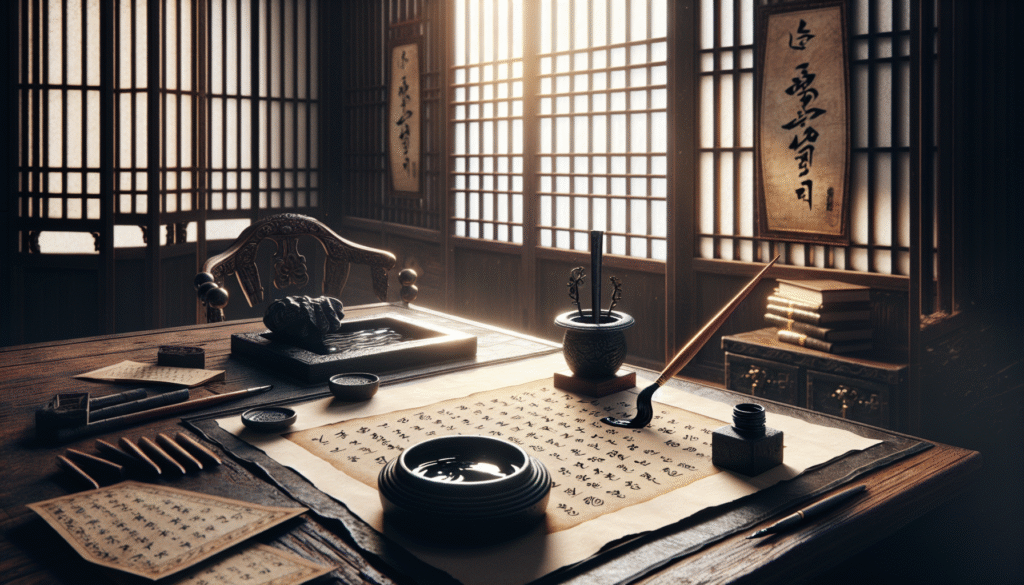
The primary tools used in Korean calligraphy are the brush (붓), ink (먹), ink stone (먹돌), and paper (종이). The brush, made from animal hair, allows for dynamic strokes and fluid motions, embodying the calligrapher's emotions and intentions on the canvas. The type of paper also plays a crucial role; traditional Hanji (한지) is favored for its texture and absorbency, enhancing the beauty of the ink.
Calligraphy Styles
Korean calligraphy encompasses various styles, each with distinctive characteristics:
- Regular Script (정서): This style is characterized by clear, legible strokes, making it popular for official documents and literary works.
- Running Script (행서): More fluid and connected than regular script, running script allows for faster execution and more expressive forms.
- Seal Script (예서): This ancient style, often seen on seals and stamps, features rounded forms and is known for its elegance.
- Cursive Script (초서): The most expressive style, cursive script emphasizes spontaneity and emotion, often resulting in abstract forms.
The Philosophical Significance of Korean Calligraphy
Korean calligraphy is not merely an art form; it is a reflection of the calligrapher's inner world and spiritual state. Practitioners often believe that the act of writing itself is a meditative practice. Each stroke is a manifestation of the calligrapher’s mindset, and the resulting artwork serves as a window into their soul.
Appreciating Korean Calligraphy Today
Learning the Art
For those interested in exploring Korean calligraphy, local workshops and online classes are widely available. Many cultural centers offer courses where participants can learn the basics of brush techniques and styles. Emphasizing patience and practice, these classes encourage students to find their unique voice within the art.
Displaying Calligraphy
Korean calligraphy can also serve as a unique decor element in homes and offices. Framed pieces featuring proverbs, poems, or personal reflections lend a touch of elegance and cultural depth to any space. Consider investing in a piece from a local artist to support and promote traditional Korean culture.
The Future of Korean Calligraphy
Despite the digital age's rise, Korean calligraphy continues to thrive, fostering a sense of identity among younger generations. Contemporary calligraphers are finding innovative ways to integrate traditional styles with modern themes, ensuring that this ancient art form remains relevant and beautiful.
Conclusion: The Lasting Impact of Korean Calligraphy Art
Korean calligraphy is a profound artistic practice that bridges history, culture, and self-expression. By understanding its significance and appreciating its beauty, we can delve deeper into the rich tapestry of Korean heritage. Whether you are an aspiring calligrapher or a casual admirer, embracing this art form can lead to a deeper appreciation of its cultural roots and poetic grace.
Let's Connect!
If you enjoyed this exploration of Korean calligraphy, consider subscribing to our newsletter for more insights into traditional art forms. Share your thoughts and experiences with Korean calligraphy in the comments below!
Tags: #KoreanCalligraphy #Seoye #KoreanArt #CulturalHeritage #Artistry
Category: Art & Culture
Call to Action: Did you find this post informative? Share it with your friends or explore more about Korean art and culture!