Dive into the Rich Tapestry of Korean Traditional Culture: A Journey Through Time
Korean traditional culture, a beautiful blend of history, art, and philosophy, reflects the unique identity of the Korean people. From its intricate art forms to its rich culinary heritage, Korean culture has much to offer to both locals and visitors alike. In this blog post, we will explore various aspects of Korean traditional culture, highlighting its significance and relevance in our modern world.
Understanding the Essence of Korean Traditional Culture
H2: Key Elements of Korean Traditional Culture
Korean culture is characterized by several key elements that intertwine to create a vibrant and dynamic heritage. Here are some of the most important components of Korean traditional culture:
-
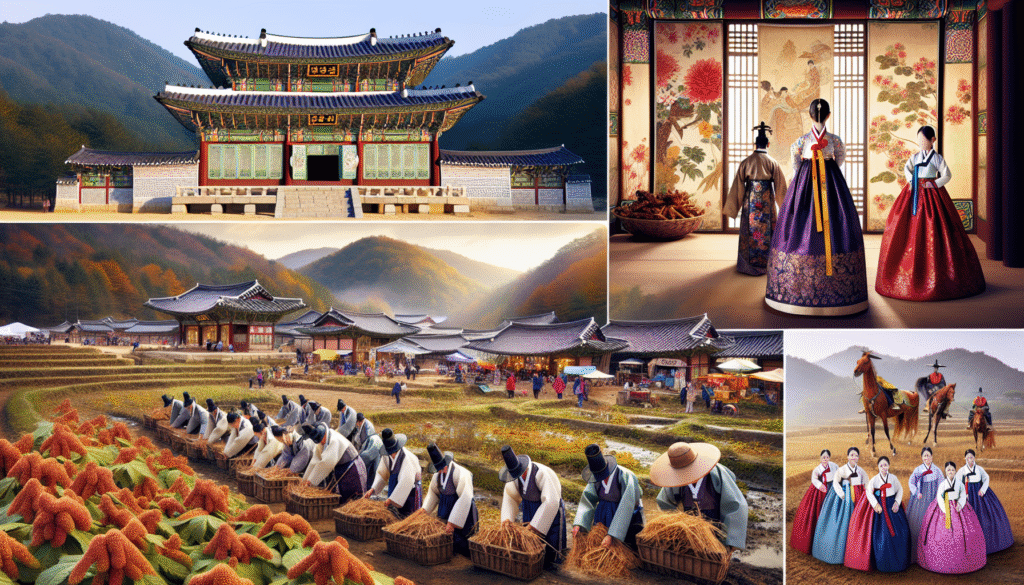
Hanbok (한복): The traditional Korean attire known as Hanbok is more than just clothing; it embodies the aesthetics, colors, and historical significance of Korea. Women’s hanbok typically features vibrant colors and simple lines, while men’s hanbok is often more muted with structured designs. Wearing hanbok during special occasions is a testament to Korean cultural pride.
-
Traditional Music (국악): Korean traditional music, or gugak, consists of various genres, including court music, folk songs, and ceremonial melodies. Instruments such as the gayageum (a plucked zither) and the janggu (an hourglass-shaped drum) play a significant role in this art form. Concerts and performances of gugak continue to captivate audiences both domestically and internationally.
-
Ceramics and Pottery (한국자기): Korea's traditional ceramics, particularly Celadon and Buncheong pottery, showcase exquisite craftsmanship and artistic innovation. These ceramics are admired for their beauty and intricate designs, with many pieces dating back to the Goryeo and Joseon Dynasties.
H3: The Influence of Confucianism on Korean Society
Confucianism has deeply influenced Korean culture and society, shaping family values, social hierarchy, and educational philosophies. Respect for elders, filial piety, and the importance of community are just a few aspects of life that have been shaped by Confucian ideals. Understanding this influence is crucial to comprehending the roots of contemporary Korean society.
Exploring Korean Traditional Festivals
Korean traditional festivals are a fantastic way to experience the richness of the culture. Here are some significant festivals celebrated in Korea:
-
Chuseok (추석): Known as the Korean Harvest Festival, Chuseok is celebrated on the 15th day of the 8th month of the lunar calendar. Family gatherings, delicious food, and ancestral rites are central to this festival. Traditional dishes like songpyeon (rice cakes) and various fruits are prepared to celebrate the harvest.
-
Seollal (설날): The Lunar New Year, or Seollal, marks the beginning of a new year on the lunar calendar. Families come together to perform ancestral rites, don traditional hanbok, and play folk games. Tteokguk, a traditional soup made with rice cakes, symbolizes the renewal of life.
H2: The Art of Korean Cuisine
Korean traditional cuisine is famous for its balance of flavors and emphasis on health. Here's an overview of some key aspects:
-
Kimchi (김치): This iconic side dish is made by fermenting vegetables, usually napa cabbage or radishes, with a mix of spices. Rich in vitamins and probiotics, kimchi is a staple in Korean meals and is widely celebrated for its health benefits.
-
Banchan (반찬): These are small side dishes served with almost every Korean meal. Varieties include pickled vegetables, seasoned greens, and various stews, showcasing the blend of flavors and textures that Korean cuisine is known for.
H3: Traditional Arts and Crafts
The beauty of Korean traditional culture is also reflected in its arts and crafts:
-
Calligraphy (서예): Korean calligraphy is an art form that emphasizes the beauty of Hangul, the Korean script, and Hanja, Chinese characters. It is created using brushwork that captures the expressiveness of the characters.
-
Hanji (한지): This traditional Korean paper is made from mulberry trees and is renowned for its durability and unique texture. It is used in various crafts, including calligraphy, painting, and even furniture.
Conclusion: Preserving and Celebrating Korean Tradition
Korean traditional culture is a vibrant tapestry woven from centuries of history, art, and philosophy. As global interest in Korean culture grows, it is crucial to preserve and celebrate these traditions. Whether through participating in traditional festivals, enjoying authentic Korean cuisine, or appreciating the arts, we can all contribute to the continuation of this rich heritage.
Related Tags
- #KoreanCulture
- #TraditionalKorean
- #Hanbok
- #KoreanTraditions
- #HeritageConservation
Call to Action
If you're eager to learn more about Korean traditional culture, subscribe to our blog for weekly insights and discoveries! Share your thoughts or personal experiences with Korean culture in the comments below!