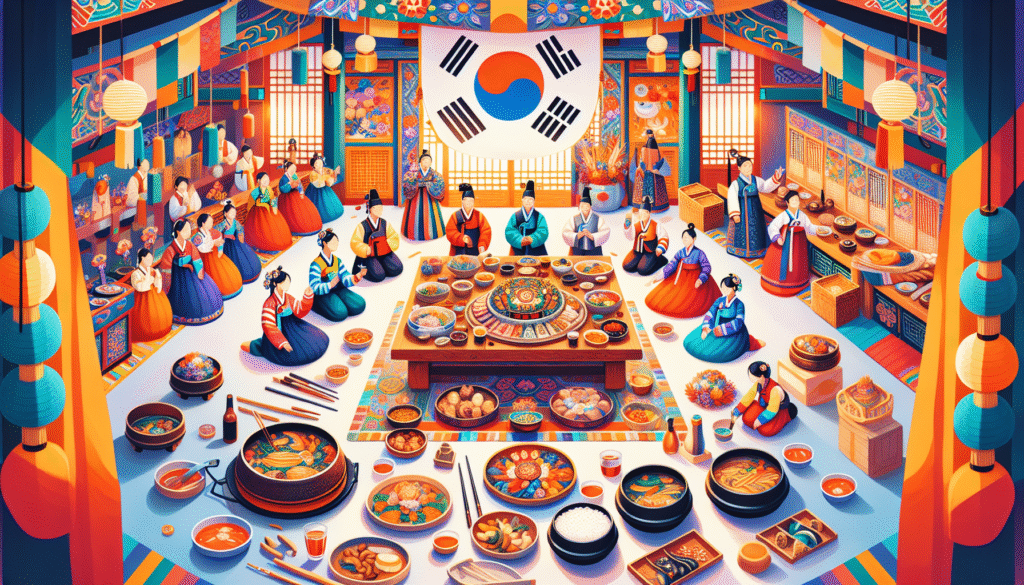
Understanding Korean National Holidays: Traditions and Significance
Korean national holidays are a vibrant reflection of the country’s rich history, culture, and traditions. These holidays not only provide a break from the daily grind but also offer a chance for families to come together, celebrate, and remember their heritage. In this article, we’ll explore the major Korean holidays, the significance behind each, and how they are traditionally celebrated.
The Major Korean National Holidays
1. New Year’s Day (설날 – Seollal)
Seollal, or Lunar New Year, is one of the most important holidays in Korea. Celebrated on the first day of the lunar calendar, it typically falls between late January and mid-February. Families gather to honor their ancestors through ancestral rites called Charye.
Traditions:
- Seolnal Meal: A traditional meal during Seollal often includes Tteokguk, a rice cake soup that symbolizes the gaining of a year in age.
- Gift-Giving: Children receive Seollal money (세뱃돈 – Sebaetdon) in colorful envelopes as a token of blessings for the new year.
2. Independence Day (광복절 – Gwangbokjeol)
Gwangbokjeol, celebrated on August 15, marks Korea’s liberation from Japanese colonial rule in 1945. This day is a solemn national holiday reflecting pride, remembrance, and gratitude.
Traditions:
- Ceremonies: Various ceremonies across the country occur, including the raising of the national flag and special speeches.
- Cultural Programs: Public events often highlight Korean culture, featuring traditional music, dance, and history exhibitions.
3. Chuseok (추석)
Chuseok, or Korean Thanksgiving, is celebrated on the 15th day of the 8th lunar month. It’s a time of harvest celebration and family gatherings.
Traditions:
- Charye: Much like Seollal, families partake in Charye ceremonies to honor their ancestors.
- Food: Popular dishes during Chuseok include Songpyeon, a traditional rice cake filled with sweetened sesame or chestnut paste.
4. Buddha’s Birthday (부처님 오신 날 – Bucheonim osin nal)
Celebrated on the 8th day of the 4th lunar month, Buddha’s Birthday is a significant occasion for Buddhists in Korea. The day celebrates the birth of Siddhartha Gautama, who became the Buddha.
Traditions:
- Lantern Festivals: Cities decorate with colorful lanterns, and many Buddhists visit temples for prayer and meditation.
- Community Events: Events often include free meals for the needy, showcasing the spirit of generosity.
5. National Foundation Day (개천절 – Gaecheonjeol)
Observed on October 3, Gaecheonjeol celebrates the foundation of Korea, traditionally credited to Dangun, the legendary founder of the first Korean kingdom.
Traditions:
- Ceremony at the National Assembly: A significant ceremony takes place at the National Assembly, emphasizing the unity and history of the Korean people.
- Cultural Events: Various festivals celebrating Korean heritage occur, including traditional performances and exhibitions.
Conclusion: The Essence of Korean Holidays
Korean national holidays are more than just days off; they embody the essence of Korean culture, history, and family values. From the joyous celebrations of Seollal and Chuseok to the solemn remembrance of Gwangbokjeol, these holidays provide opportunities for reflection, gratitude, and connection.
Call to Action
Whether you're a Korean national or someone interested in learning more about Korean culture, participating in these holiday celebrations will enrich your understanding and appreciation of Korea's deeply rooted traditions.
Tags:
#KoreanHolidays #KoreanTraditions #Seollal #Chuseok #Gwangbokjeol
Categories:
Culture, Travel, Lifestyle
This exploration of Korean national holidays showcases the importance of remembering one’s roots and celebrating together as a community. Make sure to engage in these traditions, whether through meal preparations or community events, and foster your connection to this vibrant culture.