Bibimbap Recipe: The Ultimate Guide to Making the Perfect Korean Dish
Bibimbap is one of Korea’s most iconic dishes, loved for its vibrant colors, diverse textures, and delicious flavors. This mixed rice dish not only offers a feast for the eyes but also packs a nutritious punch. In this guide, we'll provide you with an easy-to-follow bibimbap recipe that will impress your family and friends.
What is Bibimbap?
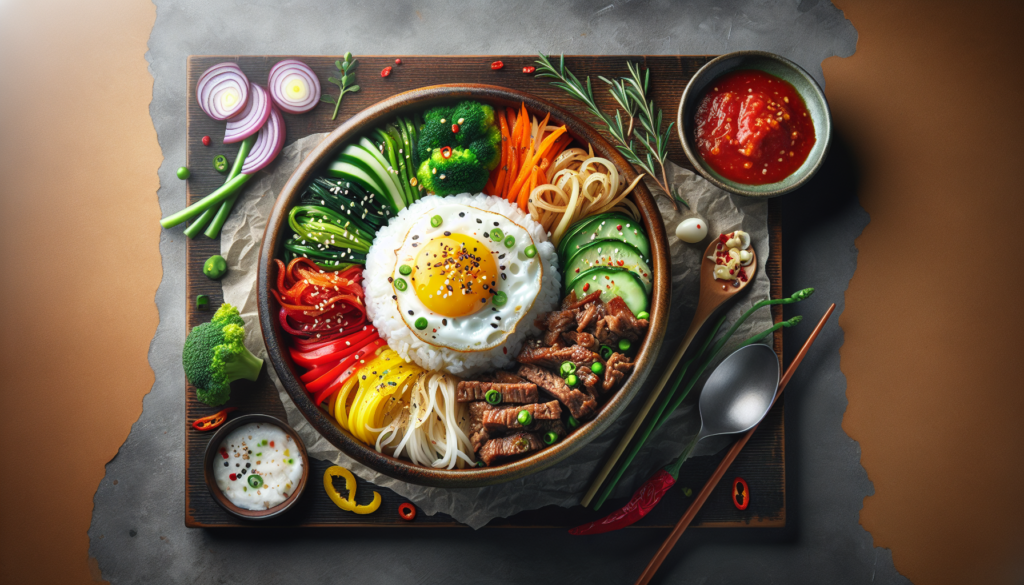
Bibimbap, which translates to "mixed rice," typically consists of a base of warm rice topped with an assortment of sautéed vegetables, a protein (such as beef, chicken, or tofu), a fried or raw egg, and a generous dollop of gochujang (Korean chili paste). The beauty of bibimbap lies in its versatility, allowing you to customize it according to your preferences.
Ingredients for Bibimbap
For the Rice:
- 2 cups of short-grain rice
- 2 1/2 cups of water
For the Toppings:
- 1 cup of spinach, blanched and chopped
- 1 cup of bean sprouts, blanched
- 1 medium carrot, julienned
- 1 zucchini, julienned
- 1 cup of shiitake mushrooms, sautéed
- 1 cup of thinly sliced beef (or your choice of protein)
- 4 eggs
- 2 tablespoons of sesame oil
- Salt and pepper to taste
For the Gochujang Sauce:
- 4 tablespoons of gochujang (Korean chili paste)
- 1 tablespoon of sesame oil
- 1 tablespoon of sugar
- 1 tablespoon of vinegar (preferably rice vinegar)
- 1 teaspoon of minced garlic
Step-by-Step Bibimbap Recipe
Step 1: Cook the Rice
- Rinse the rice under cold running water until the water runs clear. This removes excess starch for fluffier rice.
- In a rice cooker or pot, combine the rinsed rice and the measured water.
- Cook according to your rice cooker instructions or bring to a boil, then cover and simmer on low heat for about 20 minutes.
Step 2: Prepare the Vegetables
- Spinach: Blanch in boiling water for 1-2 minutes, drain, and rinse in cold water. Squeeze out excess water, then season with 1 teaspoon of sesame oil, salt, and pepper.
- Bean Sprouts: Follow the same blanched method as spinach but season simply with salt and sesame oil.
- Carrots & Zucchini: Sauté each separately in a little oil over medium heat until tender, about 3-4 minutes. Season with salt.
- Mushrooms: Sauté Shiitake mushrooms in oil until soft and slightly caramelized.
Step 3: Cook the Protein (Optional)
- For beef, marinate thinly sliced pieces with a little sesame oil, salt, and pepper for about 20 minutes. Cook in a hot skillet until browned and cooked through.
- If you're using tofu or chicken, cook similarly—cubed tofu until golden or chicken until fully cooked.
Step 4: Prepare the Eggs
- Fry the eggs sunny-side up or cook them to your desired doneness. A runny yolk adds a rich creaminess to the bibimbap.
Step 5: Make the Gochujang Sauce
- In a small bowl, mix all the gochujang sauce ingredients until well combined.
Step 6: Assemble the Bibimbap
- In a bowl, add a generous scoop of cooked rice as the base.
- Arrange the prepared vegetables and protein artfully on top. Place the fried egg in the center.
- Drizzle with sesame oil and add a generous spoonful of gochujang sauce.
Step 7: Mix and Enjoy!
Before eating, mix everything together thoroughly until the rice is coated with the gochujang and the ingredients are combined.
Tips for a Perfect Bibimbap
- Fresh Ingredients: Use fresh and seasonal vegetables to add more color and flavor.
- Presentation Matters: Arrange toppings beautifully for a stunning visual appeal before mixing.
- Balance Flavors: Adjust the salt and gochujang to suit your taste.
Conclusion
Now that you have the ultimate bibimbap recipe, you can enjoy this delicious Korean dish at home. It's not just a meal; it's an experience filled with vibrant flavors and textures. Whether you're preparing it for family or hosting friends, bibimbap is sure to impress!
Tags: #Bibimbap #KoreanCuisine #KoreanRecipe #HealthyEating #Foodie
Call to Action
Have you tried making Bibimbap at home? Share your experience in the comments below and let us know your favorite toppings! If you found this recipe helpful, don’t forget to share it with your friends!
This well-structured blog post will not only help readers understand how to make bibimbap effectively but also optimize for SEO with relevant keywords integrated naturally throughout.