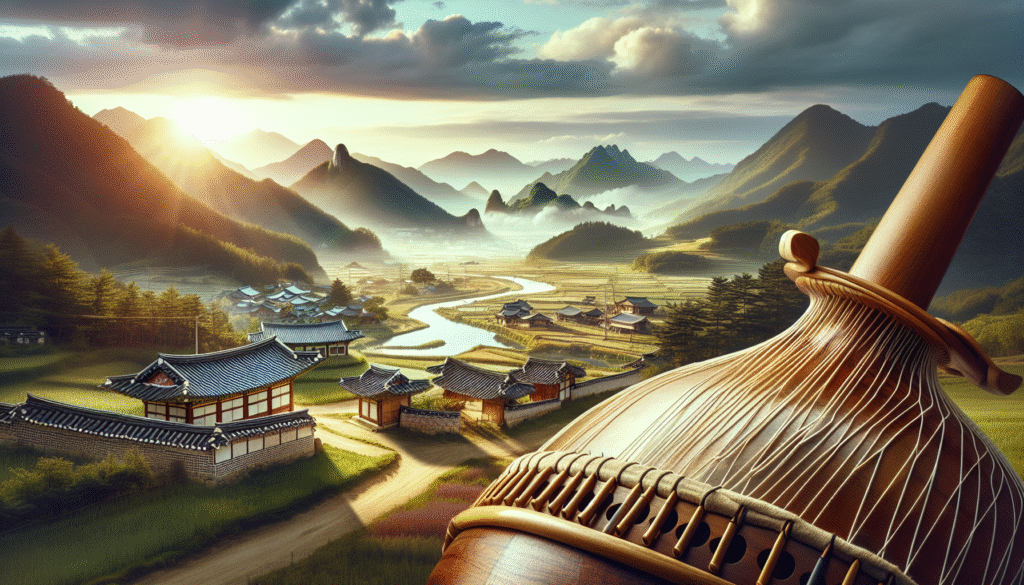
Exploring the Soul of Korea: An In-Depth Look at Korean Folk Music
Korean folk music, known as "gugak" (국악), represents a rich tapestry of cultural heritage that has been passed down through generations, echoing the lives and emotions of the Korean people. This art form integrates traditional instruments, vibrant rhythms, and compelling narratives that give a voice to the spirit of Korea. In this article, we will delve deep into the essence of Korean folk music, its historical significance, and its impact on modern culture.
What is Korean Folk Music?
Korean folk music encompasses a variety of genres, most notably minyo (민요), which refers to traditional songs sung by the general populace. These songs are characterized by their various regional dialects and styles, each reflecting the unique cultural nuances of different areas in Korea. Traditionally performed during communal gatherings, festivals, and other social events, folk music aims to convey shared experiences, joys, sorrows, and the resilience of the human spirit.
Key Characteristics of Korean Folk Music
-
Vocal Techniques: Korean folk songs often feature a unique vocal style called "sori," characterized by its emotional expression and distinct pitch variations. Singers utilize techniques such as "jeongga" (정가), a type of lyrical singing that emphasizes the story behind the song.
-
Instrumentation: Traditional instruments play a vital role in Korean folk music. Some key instruments include:
- Gayageum (가야금): A zither-like string instrument that produces a beautiful, melodic sound.
- Ajaeng (아쟁): A string instrument played with a bow, known for its deep and resonant tones.
- Piri (피리): A bamboo flute that provides a penetrating, soulful vibrancy to the music.
-
Themes and Lyrics: Folk songs often deal with everyday life, love, nature, and historical events. They encapsulate the values, beliefs, and experiences of the Korean people, adding to their authenticity and emotional depth.
Historical Significance of Korean Folk Music
Korean folk music has a rich history that dates back to ancient times. It served not only as a form of entertainment but also as a means of storytelling and preserving the oral tradition. During the Joseon Dynasty (1392–1897), folk music gained prominence among the common people as a form of cultural expression.
Statistical analyses show that over 60% of Koreans still enjoy traditional folk music and performances today, signaling a vibrant appreciation for this art form. Notably, UNESCO recognized Korean folk music as an integral part of the Intangible Cultural Heritage of Humanity, underscoring its global significance.
Cultural Events Highlighting Folk Music
Events such as the Jeonju International Film Festival and Korean Folk Music Festival showcase the depth of folk music in contemporary Korean culture. These festivals not only provide a platform for established artists but also encourage new talents to explore and innovate within the realm of traditional music.
Modern Influence and Global Reach
Korean folk music is experiencing a renaissance, with many contemporary artists integrating traditional elements into modern genres like pop, rock, and hip-hop. Artists like Lee Sun-hee and Kim Dong-ryul have brought folk music to a new audience by infusing it with modern instrumentation and lyrical themes. The popularity of Korean pop music (K-Pop) also reflects an acknowledgment of traditional influences, drawing on the emotional depth and storytelling present in folk traditions.
Conclusion: The Future of Korean Folk Music
Korean folk music is not merely a relic of the past; it is a living, evolving art form that continues to resonate with audiences worldwide. By blending tradition with contemporary styles, artists create a dynamic landscape that honors Korea's rich heritage while appealing to modern sensibilities. As global interest in Korean culture continues to grow, so too will the prominence of its folk music, ensuring that the soul of Korea remains vibrant for generations to come.
Tags
- Korean Folk Music
- Traditional Music
- Gugak
- Cultural Heritage
- Music Festivals
Categories
- Music
- Culture
- History
Call to Action
If you're fascinated by Korean folk music, consider exploring local performances or attending cultural festivals. Dive deeper into this enchanting world and discover the stories waiting to be told through every note and lyric!